
The Hidden Cost of Delaying AC Repairs When Your Warranty Has Lapsed
That faint buzzing from your outdoor unit isn't just normal wear and tear. Ignoring a struggling capacitor at the end of the cooling season can cause catastrophic compressor failure.
By Chris Javier
The Lingering Heat: When Minor AC Issues Become Major Problems
Your AC is running nonstop, but the house still feels warm, and that faint buzzing sound from the outdoor unit isn't going away on its own. It is incredibly tempting to ignore these subtle signs, especially as we reach the end of the year, hoping the system will just limp across the finish line. However, the hidden cost of delaying AC repairs when your warranty has lapsed often turns a minor electrical hiccup into a catastrophic mechanical failure. When you need reliable air conditioning services, addressing these warning signs early is the best way to protect your home and your wallet.
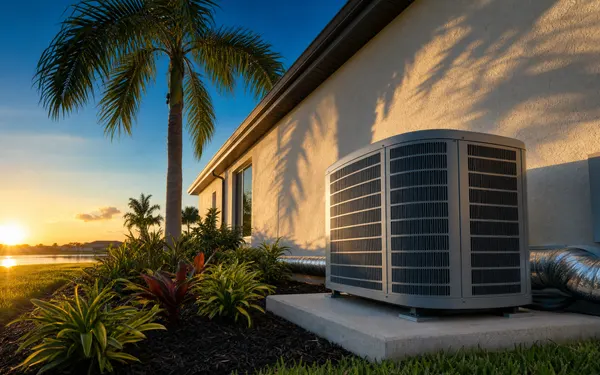
Here in Kissimmee, the calendar might say October, but the thermometer tells a completely different story. With average highs consistently remaining in the mid-to-upper 80s, we are still very much at the end of Florida's long cooling season. Your air conditioning system rarely gets a break, meaning it must continue running heavily at the exact time its internal components are most fatigued. After running almost continuously since February or March, the parts inside your condenser unit are exhausted, brittle, and highly susceptible to failure.
This creates a critical decision point for homeowners. Do you ignore a slight hesitation or a strange noise from the outdoor unit, assuming it is just normal wear and tear? Or do you bring in a professional to evaluate the system before that minor struggle puts a fatal strain on your equipment? Understanding the mechanical reality of how these systems operate—and fail—is the first step in avoiding an extensive, labor-intensive replacement.
The Anatomy of a Late-Season AC Breakdown
To understand why late-season breakdowns are so destructive, we have to look at the mechanical toll that an eight-to-nine-month continuous cooling season takes on an aging system. Air conditioners are built to withstand heavy use, but continuous, heavy workloads naturally degrade electrical components over time. Every time your system cycles on, a surge of electricity flows through the contactors, relays, and capacitors. Over thousands of cycles, this constant electrical demand generates heat, which slowly breaks down the internal materials of these inexpensive parts.
One local homeowner noticed their system wasn't getting cool during a sweltering summer stretch, leading to highly uncomfortable nights. By calling a technician promptly the next day, they received a simple electrical fix that restored cool air quickly and saved them from unnecessary, extensive mechanical repairs. This perfectly illustrates the anatomy of a breakdown: the root cause is often a small, easily replaceable part that simply gave out from exhaustion.
The component most frequently responsible for this type of failure is the run capacitor. Think of the capacitor as a heavy-duty battery that stores a massive jolt of electricity. Its job is to deliver that stored energy to the compressor and fan motors, giving them the extra push they need to start up and keep running smoothly. Because it handles such high voltage continuously, the capacitor is one of the most heavily stressed components in your condenser unit. Unfortunately, manufacturer warranties often expire just as this accumulated mechanical fatigue reaches its peak, leaving the homeowner vulnerable to the fallout.
Why Timing Matters for Aging Units
The compounding effect of heat and humidity on moving parts cannot be overstated. When an older unit operates in high humidity, the system works harder to remove moisture from the air before it can even begin dropping the temperature. This means longer run cycles and less time for the electrical components to cool down between cycles. Ignoring the early symptoms of this thermal fatigue inevitably leads to unnecessary replacement costs, as the stress transfers from the small, inexpensive parts directly to the large, vital motors.
Recognizing the Early Warning Signs of Electrical Strain
Catching a failing capacitor before it triggers a catastrophic failure requires knowing what to look—and listen—for. The symptoms of electrical strain are often subtle, which is why so many homeowners dismiss them as just "normal wear and tear" for an older unit. However, scheduling routine AC maintenance or calling for a diagnostic at the first sign of trouble can save your entire system.
Here are the specific warning signs that your system is experiencing electrical strain:
- Hesitant startups: If you notice a delay between the thermostat clicking on and the outdoor unit actually firing up, the capacitor is likely struggling to deliver the necessary voltage.
- Faint buzzing sounds: A distinct, low-pitched buzzing or humming noise coming from the outdoor condenser usually indicates an electrical component is receiving power but failing to engage the motor.
- Hard starting: This sounds like a loud stutter or a heavy shuddering noise when the compressor tries to turn on. The system is fighting to overcome a lack of electrical support.
- Random shutoffs: If the outdoor unit runs for a short period and then suddenly turns off before the house is cool, the internal components may be overheating and tripping safety sensors.
- Warm air from the vents: When the fan runs but the compressor fails to start due to a dead capacitor, your system will circulate unconditioned, warm air throughout the house.
By October, at the end of Florida's long cooling season, any hesitant startup or faint buzzing sound from the condenser should be treated as an immediate red flag rather than a harmless quirk of an aging machine.
The Cascade Effect: How a Weak Capacitor Kills a Compressor
The relationship between a cheap run capacitor and an expensive compressor motor is one of the most critical dynamics in your entire HVAC system. When the capacitor begins to fail, it doesn't just stop working peacefully; it initiates a destructive electrical cascade that directly targets the compressor.
Here is the step-by-step breakdown of how this fatal electrical cascade occurs:
- The initial degradation: The internal materials of the run capacitor break down from months of continuous heat and usage, reducing its ability to store and deliver the correct microfarad rating (electrical charge).
- The voltage drop: Because the capacitor can no longer provide a full electrical push, the voltage supplied to the compressor motor drops significantly.
- The amperage spike: To compensate for the lack of voltage and keep the system running, the compressor motor is forced to draw a much higher electrical current (amperage) from your home's power supply.
- Excessive heat generation: This massive spike in amperage generates intense, abnormal heat inside the sealed compressor shell.
- Thermal breakdown: The excessive heat bakes the thin protective insulation coating the compressor's copper motor windings.
- Catastrophic failure: Once the insulation melts away, the bare copper wires touch, creating an electrical short that permanently destroys the compressor motor.
The Voltage Drop Phenomenon
Electrical starvation severely impacts motor efficiency. When the compressor is starved of the voltage it expects, it operates outside of its designed parameters. The hidden thermal damage occurring inside the unit is entirely invisible from the outside. You might just hear a faint buzzing sound from the condenser, completely unaware that the internal motor windings are slowly melting away with every cooling cycle.

The Financial Reality of Lapsed Warranties
The keyword focus here is crucial: once a manufacturer warranty lapses, the homeowner assumes one hundred percent of the financial risk for major component failures. Most standard equipment warranties cover parts for a set number of years, acting as a safety net against premature mechanical breakdowns. When that safety net expires, the dynamic completely changes.
Another local resident dealt with a system that had been broken down for two years after a lapse in warranty, facing aggressive pressure from other companies insisting on a full, immediate system replacement. However, a proper diagnostic isolated the exact electrical problem, allowing the system to be repaired without replacing the whole unit, and it ran strong through subsequent maintenance checks. This highlights the importance of accurate diagnostics over aggressive sales tactics.
There is a massive false economy in putting off a minor repair at the end of the season to save money. A capacitor replacement is a straightforward, routine electrical task. In stark contrast, a compressor replacement is one of the most extensive and labor-intensive repairs in the entire HVAC industry. It requires recovering the existing refrigerant, unbrazing the old unit, welding in the new heavy-duty motor, pulling a deep vacuum on the system to remove moisture, and meticulously recharging the refrigerant levels. Allowing a lapsed-warranty system to destroy its own compressor because of a weak capacitor is the most expensive way to avoid a minor maintenance call.
Proactive Strategies to Protect Your Aging System
Managing an out-of-warranty system requires a shift from reactive panic to proactive care. The goal is to catch electrical fatigue early, preventing the mechanical failure cascade from ever starting. Because HVAC systems involve high-voltage electricity and pressurized refrigerants, professional electrical diagnostics are always required over guessing or attempting dangerous DIY fixes.
When a professional evaluates your system, they don't just listen to it run; they use specialized multimeters to measure the exact microfarad output of your capacitors. If a capacitor is rated for a specific output but is testing significantly below that threshold, the technician knows it is failing—even if the AC is still technically blowing cold air today. Catching this discrepancy is how preventive AC maintenance helps avoid expensive repairs down the road.
End-of-season checkups are highly recommended to ensure the system hasn't sustained hidden damage during the grueling summer months. By late October, your system has run a marathon. Having a professional verify that the electrical draw is normal, the contacts are clean, and the capacitor is holding a full charge guarantees that your aging, out-of-warranty equipment isn't secretly destroying itself from the inside out.
Frequently Asked Questions About AC Component Failures
Can a bad capacitor ruin a compressor?
Yes, a bad capacitor can absolutely ruin a compressor. By causing a significant voltage drop, the weak capacitor forces the compressor motor to draw higher amperage to keep running. This abnormal electrical draw generates intense heat that eventually burns out the motor's internal windings, leading to total mechanical failure.
What happens if you run an AC with a bad capacitor?
Running an AC with a bad capacitor forces the system to operate under severe electrical starvation. The system will struggle to start, draw excessive amperage, and overheat internally. Eventually, this continuous strain will cause the compressor or the outdoor fan motor to fail completely, turning a small issue into a major disaster.
What are the signs of a failing AC capacitor?
The most common signs of a failing AC capacitor include hesitant startups, faint buzzing noises from the outdoor unit, and the system blowing warm air. You may also notice the condenser unit shaking or shuddering when it tries to turn on, indicating the motor is fighting to overcome the lack of electrical support.
Is it worth fixing an AC out of warranty?
Yes, it is often worth fixing an AC out of warranty, especially if the issue is a minor, inexpensive electrical component rather than a major mechanical failure. Replacing a worn-out capacitor or contactor can add years of life to an older system, provided the core components like the compressor and coils are still in good condition.
How does Florida's long cooling season affect AC lifespan?
Florida's extended eight-to-nine-month cooling season puts significantly more operational hours on AC components compared to national averages. This continuous, heavy usage accelerates wear and tear, meaning electrical parts degrade faster and systems often require more frequent professional oversight to reach their maximum potential lifespan.
Protect Your Compressor Before It's Too Late
The end of Florida's long cooling season is exactly when your air conditioning system is most vulnerable. A hesitant startup or a faint buzzing sound from the condenser is not a harmless quirk; it is a direct warning that an inexpensive electrical part is failing and putting fatal strain on your compressor. Recognizing these signs and acting quickly is the only way to stop the destructive electrical cascade in its tracks. If your out-of-warranty system is struggling to keep up with the lingering October heat, do not wait for it to fail completely. Reach out for professional AC repair today to evaluate your system's electrical health and protect your compressor before it is too late.
About the author

Chris Javier
Owner & License Holder
Chris is the Owner and license holder of Chilly Billy Heating & Cooling, bringing more than a decade of hands-on HVAC experience and a knack for solving the problems other folks couldn't crack. A devoted husband and dad, he treats every home like his own, right down to the smallest detail.
Recent Articles