


A refrigerant leak and a blown capacitor can look almost identical on a service invoice if nobody explains what actually failed and why. That lack of explanation is usually where the real frustration around AC repair cost in Kissimmee, FL starts, since two nearly identical calls can land on two very different numbers depending on what parts get swapped and what gets left alone. Cutting costs doesn’t mean settling for a technician who skips steps or reaches for the cheapest part available. It usually means understanding which repairs are worth paying for immediately and which ones can wait, plus knowing enough about the process to ask the right questions before work starts. A ten dollar part installed badly still costs a full labor charge, sometimes twice over once someone has to come back and redo it. A two hundred dollar part installed right the first time usually costs less over a year than three cheaper fixes stacked on top of each other.
1. Catching Problems While They're Still Small
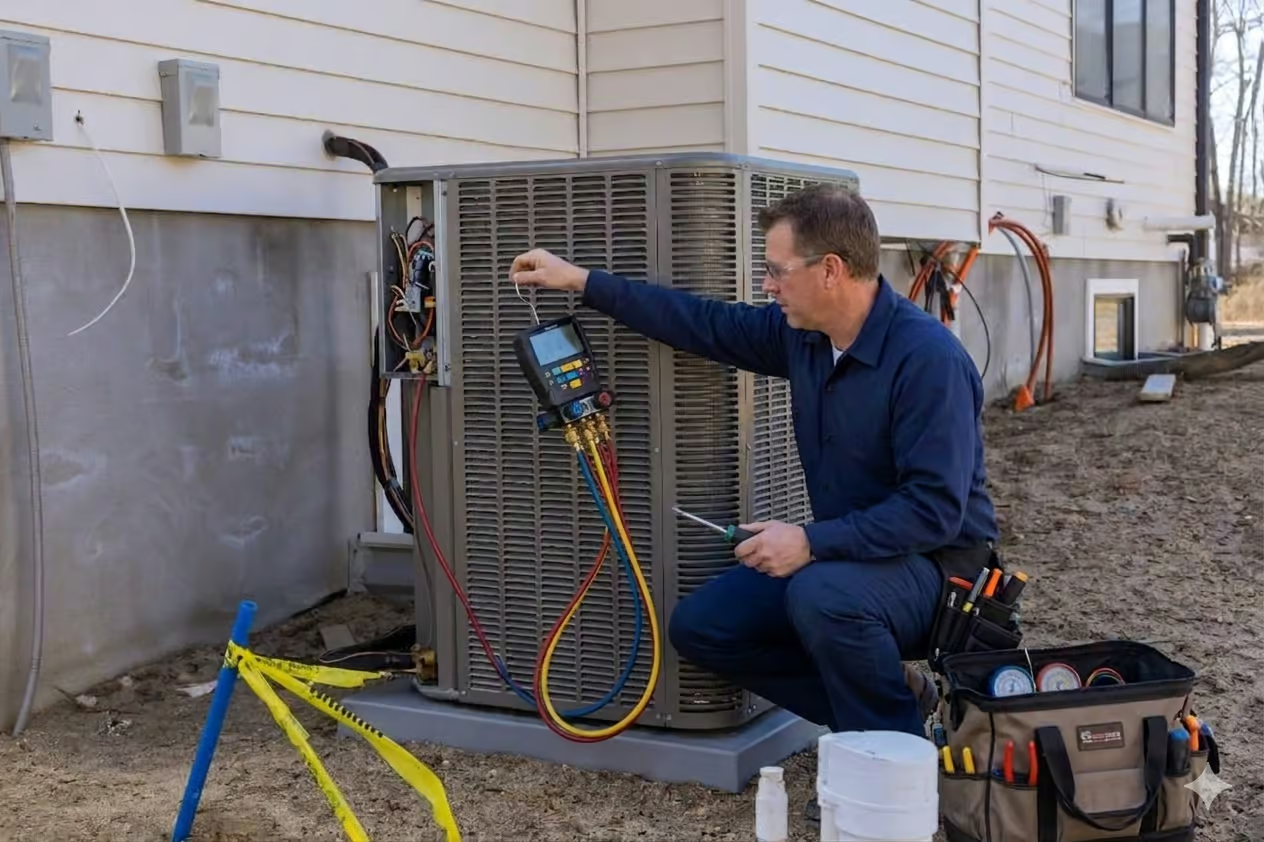
A rattling fan or a faint burning smell rarely means the whole system’s in trouble, but it does mean something specific needs attention before it spreads. Capacitors weaken gradually, and a tech can usually spot early signs of failure during a routine visit rather than during an emergency call at ten at night. Refrigerant lines develop pinhole leaks slowly too, and catching one early is a completely different repair bill than catching it after the compressor’s already strained. Waiting until a system fully quits almost always costs more than addressing the warning signs when they first show up. A once-a-year checkup catches most of this before it turns into an after hours dispatch fee. Most techs can spot a capacitor reading a few volts off during a routine visit, well before it fails outright on a Saturday afternoon.
2. Reading a Repair Quote Like an Estimator Would
- Parts versus labor. A clear invoice separates the physical part's cost from the time spent installing it, which makes it easier to spot inflated labor charges tacked onto a routine job.
- Diagnostic fee structure. Some companies waive the diagnostic charge if the repair moves forward; others don't, and that difference matters on a bigger job.
- Warranty language. A repair quote should state plainly whether the part carries its own warranty separate from the labor.
A little literacy here goes further than haggling over the final total.
3. Sticking With Basic Maintenance Between Visits
Changing a filter every month or two sounds too simple to matter, but a clogged filter forces the whole system to work harder, and that strain shows up eventually as a repair call. Clearing debris away from the outdoor unit, especially after a storm, keeps airflow steady and keeps the compressor from overheating unnecessarily. Homeowners who stick to this kind of basic upkeep tend to need fewer emergency visits overall, which keeps the yearly repair total lower even without any single dramatic fix. None of this replaces a professional visit, but it stretches the time between them considerably. A five minute filter check costs nothing and prevents plenty. Same goes for keeping mulch and yard debris a foot or two clear of the outdoor unit, something that takes five minutes with a rake and gets skipped constantly.
4. Knowing What a Repair Can and Can't Fix
Professional AC installation services exist for a reason, and sometimes the honest answer to a repair question is that the unit’s simply past the point where another patch makes financial sense. A compressor failure on a system already past its expected lifespan usually costs more to repair than the unit’s remaining value justifies. Recognizing that line matters just as much as knowing how to fix smaller issues cheaply, since throwing money at an aging system rarely pays off the way people hope. A technician willing to have that conversation plainly, rather than pushing another repair regardless of the math, tends to save homeowners more over time. It’s not always the answer anyone wants, but it’s usually the one that protects the budget long term. There’s a rough rule some techs use, multiplying the repair cost by the unit’s remaining years and comparing that number against a full replacement quote, just to make the decision less emotional.
5. Timing Repairs Around the Season
When a repair happens matters almost as much as what gets repaired, and a little timing awareness can shave real money off the bill.
- Off season scheduling. Booking non urgent repairs in cooler months often avoids the premium pricing that comes with peak demand.
- Same day versus scheduled. An emergency same day call typically costs more than a repair booked a few days out, when the problem allows for that.
- Bundling small fixes. Addressing a few minor issues in one visit usually costs less than paying a service call fee multiple times for each one separately.
None of this means delaying something urgent, but plenty of repairs have more flexibility than homeowners realize. A rattling fan that’s still spinning fine can usually wait a week for a scheduled slot. A system blowing warm air in August cannot.
Conclusion
Cutting repair costs isn’t about finding the cheapest technician willing to show up. It’s about catching problems early, understanding the invoice, keeping up with small maintenance tasks, and recognizing when a repair no longer makes financial sense. Chilly Billy Heating & Cooling walks Kissimmee homeowners through exactly these decisions instead of just handing over a bill and moving to the next call. The homeowners who spend the least over time are usually the ones asking questions upfront, not the ones chasing the lowest quote every single visit. A little awareness now tends to prevent the expensive surprises later. It rarely takes more than a few honest conversations with a technician to get there.
Need an AC repair done right? Chilly Billy Heating & Cooling keeps costs fair. Call 407-934-0823 today.
FAQs
Everything You Need To Know Before You Book
It varies quite a bit depending on the part involved, but most minor repairs land in a lower range while compressor or coil issues run considerably higher.
It depends on the system's age and the specific failure, since an aging unit needing a major part often costs more to repair than it would to replace outright.
Most manufacturers recommend at least one seasonal checkup a year, ideally before the heaviest cooling months begin, to catch small issues before they become expensive ones.